El Niño Impacts On Travel And Food Around The World In 2026: What You Need To Know
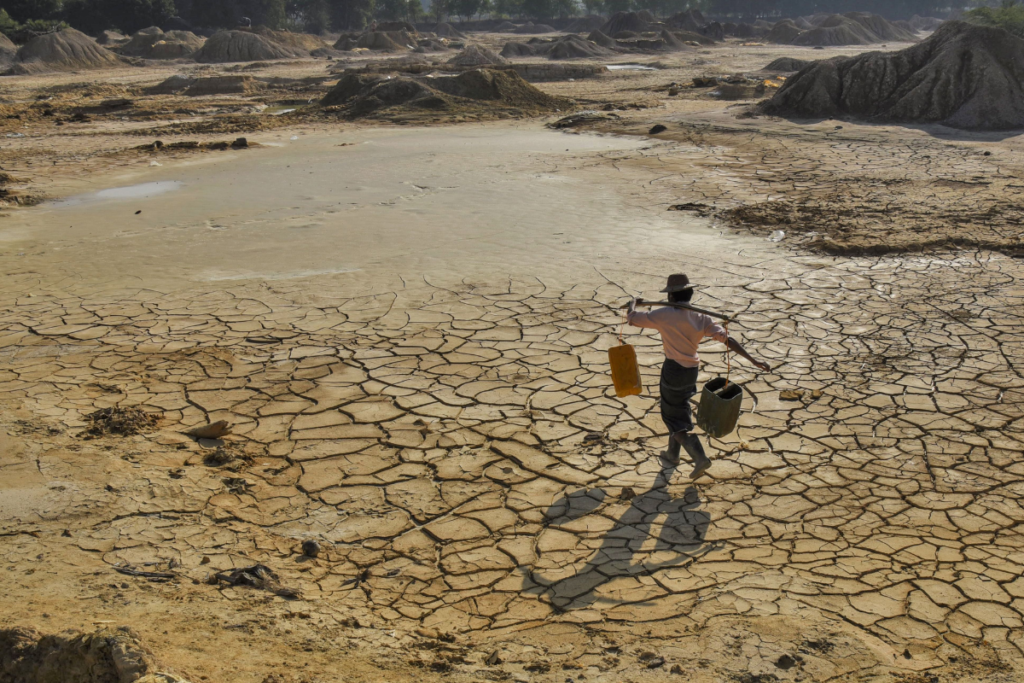
Introduction El Niño impacts the weather, which has always been a critical factor affecting people’s lives, trips, and food production. Recently, the climatic issues have become crucial for tourists, food production, and consumption. One of the most significant factors influencing the travel industry is called El Niño. El Niño impacts a naturally developed climatic phenomenon in the Pacific Ocean that influences all weather conditions around the planet. Although the process starts in the Pacific Ocean, the effects of the process go further and influence such aspects as rainfall, temperatures, agricultural production, food chain, and others. For those who are going to travel in 2026, it is vital to learn about the possible El Niño effects and prepare for changes. Moreover, it is necessary for everyone who wants to know something about the influence of El Niño on the food market in 2026. This article provides a detailed guide on the El Niño effects on traveling, tourism, agriculture, food production, and food security. For tourists, travel bloggers, people interested in food, and those interested in climate change in the tourism sphere, this article will be useful. Introduction to El Niño El Niño is a naturally occurring phenomenon that is defined by abnormally high temperatures of sea surfaces in the Pacific. El Niño impacts its activity in the Pacific region; its consequences affect various countries all over the world, causing changes in the weather, agriculture, food production, and tourism. During the usual weather conditions, the trade wind blows from east to west in the Pacific region. El Niño impacts move warm surface water towards the continent of Asia and Australia. When El Niño starts, the wind weakens or reverses direction, moving warm ocean water to the west coast of the Americas. Thus, the change in the temperature of the ocean influences the atmospheric circulation and changes the weather all over the world. Some places face droughts, floods, heavy rains, heat waves, and other weather conditions, which affect food production, food prices, and tourism in particular. Travel planning becomes difficult due to the changes caused by El Niño. El Niño Phase In the El Niño phase, temperatures in the central and eastern Pacific Ocean become unusually warm. Warm Sea Surface Temperatures in the Pacific Ocean One of the most notable features of the El Niño phenomenon is the unusually warm sea surface temperature of the Pacific Ocean. This results in an extra emission of heat from the Pacific Ocean into the atmosphere. Heavy Rains in Selected Places El Niño is also marked by increased rainfall in selected locations. Countries within selected parts of South America and even some parts of North America may have more rainfall. Drought Condition in Other Places Some areas, in contrast to those mentioned above, have dry weather conditions when there is very little rainfall and drought conditions. Changes in Global Weather Patterns The El Niño phenomenon leads to changes in global weather patterns. These include abnormal temperature changes, rainfall distribution, and even seasons. Less Number of Fish in Selected Coastal Area Due to increased temperature in the coastal area, El Niño impacts nutrients that usually rise due to upwelling in such locations do not do so. This results in a reduced population of fish in selected locations.Origin of El Niño Increased Likelihood of Flooding and Landslides Rains caused by El Niño impacts floods in places that can be flooded. If there is excess moisture in the soil, there are chances of landslides occurring, which affect infrastructure, properties, and the transport system. Neutral Phase The neutral phase occurs when the temperature of the sea surface in the Pacific Ocean is not warmer or cooler than average. Normal Temperature of the Ocean The temperature of the ocean in the Pacific Ocean is relatively normal. The ocean is not warmer or cooler and therefore does not influence the weather systems around the world. Balance in the Atmosphere There is balance in the atmosphere when there is a neutral phase since this ensures that the weather systems are relatively normal. Normal Rainfall Rainfall is normally experienced throughout the neutral phase. Less Climate Disturbances The lack of influence from El Niño impacts extreme weather disturbances. There will be little or no occurrence of floods, drought, and other weather disturbances. Regular Farming Conditions Farmers often receive more favorable weather conditions during neutral periods. Their crops will thrive under the normal weather conditions for the time of year. Predictable Weather for Travel Travelers often have better weather predictions during neutral years. This could make traveling plans more favorable. La Niña Phase La Niña is the exact opposite of the El Niño phase and is characterized by cooler than normal ocean temperatures in the central and eastern parts of the Pacific Ocean. Like El Niño, La Niña can also have impacts on weather patterns, agriculture, and travels in many parts of the globe. Cooler-than-Normal Pacific Ocean Temperatures The La Niña phenomenon is marked by cooler ocean temperatures in the Pacific. El Niño impacts: The cool water temperatures influence the atmospheric pattern and result in various weather patterns around the globe. Increase in Rainfall in Certain Countries Countries like India experience increased rainfall during the La Niña phase. El Niño’s impact of increased rainfall in certain regions is beneficial for the availability of water and agricultural output. Dry Weather in Some Countries Whereas some countries experience increased rainfall, other regions might experience less than normal rainfall during La Niña. El Niño impacts the dry weather, leading to the likelihood of droughts. Stronger Trade Winds Stronger trade winds blowing over the Pacific Ocean region define La Niña. El Niño impacts trade winds push warm surface water masses towards the western parts of the Pacific Ocean. Changes in Weather Patterns Around the World Resulting from El Niño Among the reasons why people across the globe pay special attention to the occurrence of El Niño impacts is that this phenomenon may result in changes in weather patterns on different continents. The process starts in the Pacific Ocean