
Introduction
El Niño impacts the weather, which has always been a critical factor affecting people’s lives, trips, and food production. Recently, the climatic issues have become crucial for tourists, food production, and consumption. One of the most significant factors influencing the travel industry is called El Niño.
El Niño impacts a naturally developed climatic phenomenon in the Pacific Ocean that influences all weather conditions around the planet. Although the process starts in the Pacific Ocean, the effects of the process go further and influence such aspects as rainfall, temperatures, agricultural production, food chain, and others.
For those who are going to travel in 2026, it is vital to learn about the possible El Niño effects and prepare for changes. Moreover, it is necessary for everyone who wants to know something about the influence of El Niño on the food market in 2026.
This article provides a detailed guide on the El Niño effects on traveling, tourism, agriculture, food production, and food security. For tourists, travel bloggers, people interested in food, and those interested in climate change in the tourism sphere, this article will be useful.
Introduction to El Niño
El Niño is a naturally occurring phenomenon that is defined by abnormally high temperatures of sea surfaces in the Pacific. El Niño impacts its activity in the Pacific region; its consequences affect various countries all over the world, causing changes in the weather, agriculture, food production, and tourism.
During the usual weather conditions, the trade wind blows from east to west in the Pacific region. El Niño impacts move warm surface water towards the continent of Asia and Australia. When El Niño starts, the wind weakens or reverses direction, moving warm ocean water to the west coast of the Americas.
Thus, the change in the temperature of the ocean influences the atmospheric circulation and changes the weather all over the world.
Some places face droughts, floods, heavy rains, heat waves, and other weather conditions, which affect food production, food prices, and tourism in particular. Travel planning becomes difficult due to the changes caused by El Niño.
El Niño Phase
In the El Niño phase, temperatures in the central and eastern Pacific Ocean become unusually warm.
Warm Sea Surface Temperatures in the Pacific Ocean
One of the most notable features of the El Niño phenomenon is the unusually warm sea surface temperature of the Pacific Ocean. This results in an extra emission of heat from the Pacific Ocean into the atmosphere.
Heavy Rains in Selected Places
El Niño is also marked by increased rainfall in selected locations. Countries within selected parts of South America and even some parts of North America may have more rainfall.
Drought Condition in Other Places
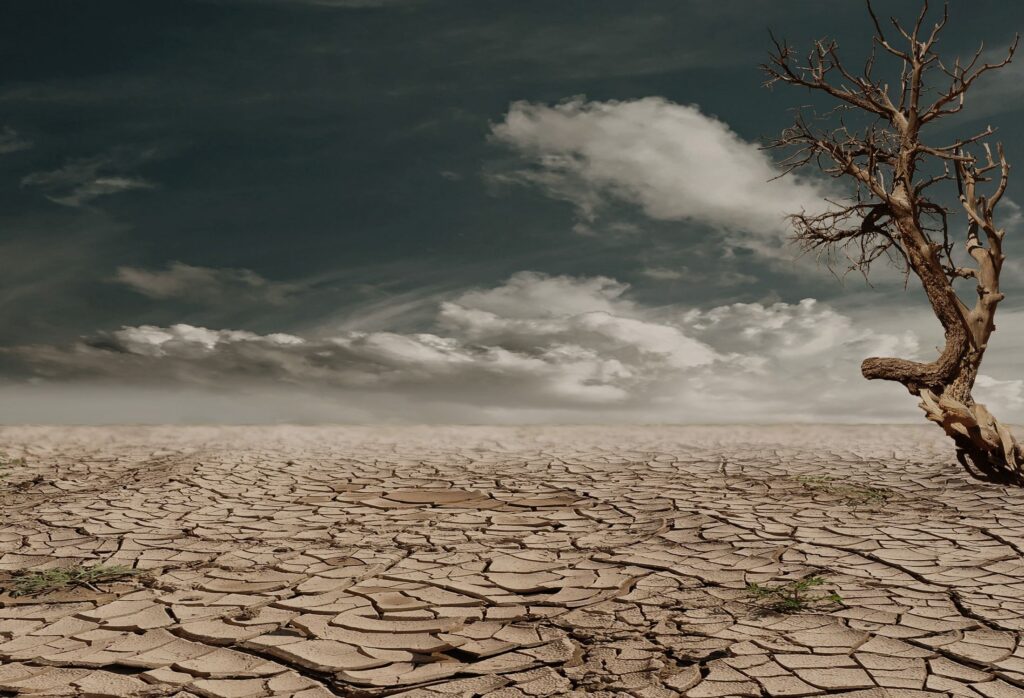
Some areas, in contrast to those mentioned above, have dry weather conditions when there is very little rainfall and drought conditions.
Changes in Global Weather Patterns
The El Niño phenomenon leads to changes in global weather patterns. These include abnormal temperature changes, rainfall distribution, and even seasons.
Less Number of Fish in Selected Coastal Area
Due to increased temperature in the coastal area, El Niño impacts nutrients that usually rise due to upwelling in such locations do not do so. This results in a reduced population of fish in selected locations.
Origin of El Niño
Increased Likelihood of Flooding and Landslides
Rains caused by El Niño impacts floods in places that can be flooded. If there is excess moisture in the soil, there are chances of landslides occurring, which affect infrastructure, properties, and the transport system.
Neutral Phase
The neutral phase occurs when the temperature of the sea surface in the Pacific Ocean is not warmer or cooler than average.
Normal Temperature of the Ocean
The temperature of the ocean in the Pacific Ocean is relatively normal. The ocean is not warmer or cooler and therefore does not influence the weather systems around the world.
Balance in the Atmosphere
There is balance in the atmosphere when there is a neutral phase since this ensures that the weather systems are relatively normal.
Normal Rainfall
Rainfall is normally experienced throughout the neutral phase.
Less Climate Disturbances
The lack of influence from El Niño impacts extreme weather disturbances. There will be little or no occurrence of floods, drought, and other weather disturbances.
Regular Farming Conditions
Farmers often receive more favorable weather conditions during neutral periods. Their crops will thrive under the normal weather conditions for the time of year.
Predictable Weather for Travel
Travelers often have better weather predictions during neutral years. This could make traveling plans more favorable.
La Niña Phase
La Niña is the exact opposite of the El Niño phase and is characterized by cooler than normal ocean temperatures in the central and eastern parts of the Pacific Ocean. Like El Niño, La Niña can also have impacts on weather patterns, agriculture, and travels in many parts of the globe.
Cooler-than-Normal Pacific Ocean Temperatures
The La Niña phenomenon is marked by cooler ocean temperatures in the Pacific. El Niño impacts: The cool water temperatures influence the atmospheric pattern and result in various weather patterns around the globe.
Increase in Rainfall in Certain Countries
Countries like India experience increased rainfall during the La Niña phase. El Niño’s impact of increased rainfall in certain regions is beneficial for the availability of water and agricultural output.
Dry Weather in Some Countries
Whereas some countries experience increased rainfall, other regions might experience less than normal rainfall during La Niña. El Niño impacts the dry weather, leading to the likelihood of droughts.
Stronger Trade Winds
Stronger trade winds blowing over the Pacific Ocean region define La Niña. El Niño impacts trade winds push warm surface water masses towards the western parts of the Pacific Ocean.
Changes in Weather Patterns Around the World Resulting from El Niño
Among the reasons why people across the globe pay special attention to the occurrence of El Niño impacts is that this phenomenon may result in changes in weather patterns on different continents. The process starts in the Pacific Ocean but has far-reaching consequences and affects not only the amount of precipitation and temperature but also agricultural production, travel, and tourism.
More Rainfall
Due to changes in atmospheric circulation, El Niño impacts a lot more rainfall than usual in some areas.
Excessive Rainfall
During the year of El Niño impacts, there usually are places where precipitation exceeds average annual values. While this may mean additional watering for agriculture and refilling of reservoirs in some cases, it may lead to various difficulties in others.
Floods
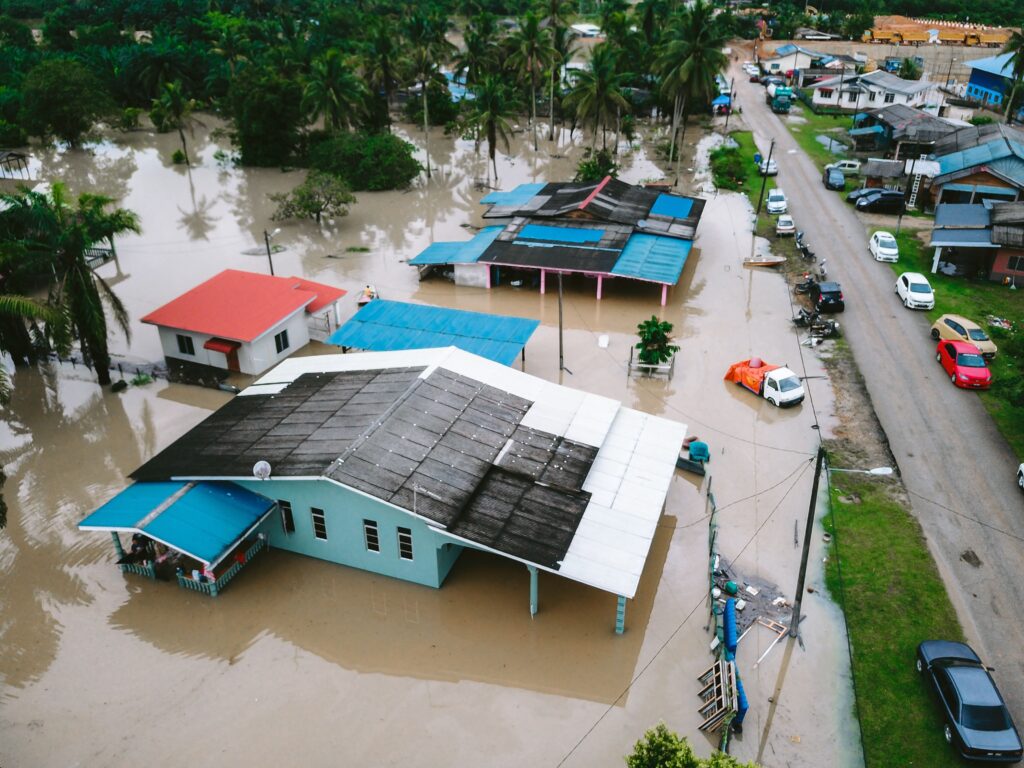
With the presence of excessive rainfall, floods are likely to happen. El Niño impacts of rivers overflowing from banks and problems with urban drain systems.
slides
During El Niño impact years, heavy rainfall may occur, which may cause landslides in the hills and mountains due to the saturated soil in the areas. Landslides pose great danger to infrastructure such as roads and buildings and even transportation systems.
More Storms
Certain places may be prone to severe storms and thunderstorms or a season of continuous rain in El Niño-impacted years. Such weather patterns have an effect on travel plans, outdoor activities, and even on the economy.
Drought
While there is too much rain in some areas of the world, other regions may experience opposite effects where drought is experienced due to reduced rainfall caused by El Niño.
Water Scarcity
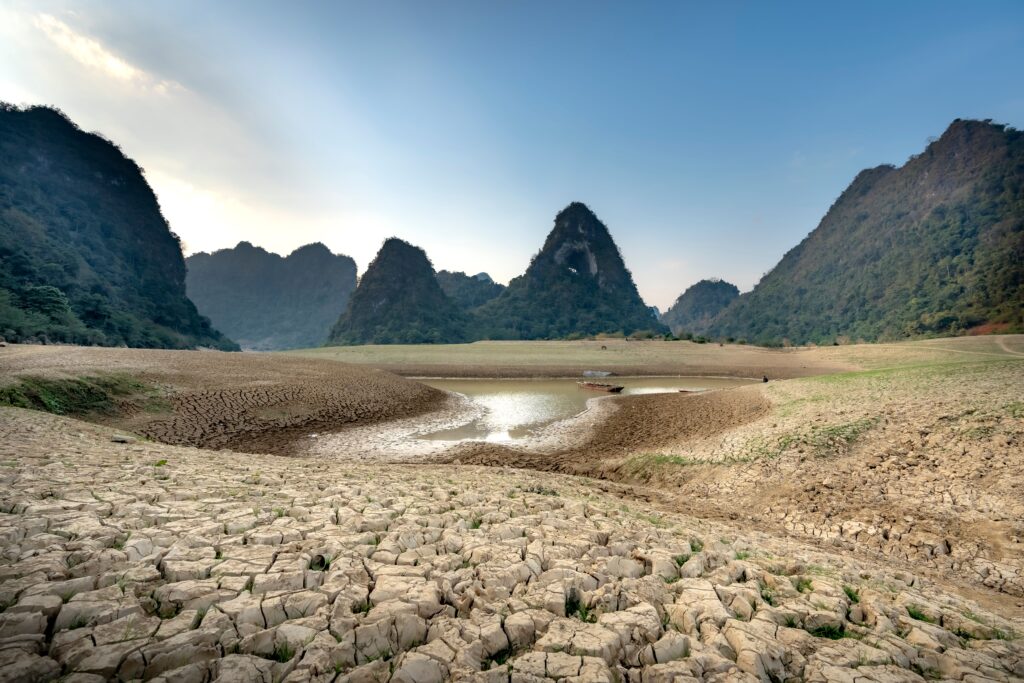
El Niño impacts low water levels in rivers, reservoirs, and other water sources may be experienced during El Niño due to reduced rainfall, leading to water scarcity in those communities that rely on seasonal rainfall.
Agricultural Difficulties
El Niño impacts reduced rainfall; farmers may have difficulties in farming because crops need adequate rainfall to mature and yield high-quality products.
slides
In El Niño-impacted years, heavy rainfall may occur, which may cause landslides in the hills and mountains due to the saturated soil in the areas. Landslides pose great danger to infrastructure such as roads and buildings and even transportation systems.
More Storms
Certain places may be prone to severe storms and thunderstorms or a season of continuous rain in El Niño impacts years. Such weather patterns have an effect on travel plans, outdoor activities, and even on the economy.
More Wildfire Dangers
Due to the dry vegetation and warmth, wildfire is likely to happen. El Niño impacts drought-prone areas during El Niño, which have the likelihood of experiencing increased wildfires that endanger forests, animals, and communities living there.
Decreased Crop Yield
As a result of inadequate watering of crops, yields of crops are likely to go down. El Niño impacts the supply chain and can also result in increased prices of the produce.
Higher Temps
During the El Niño season, it is common to have higher temperatures compared to other times of the year in many parts of the world. This affects human health, energy use, and tourist activities.
Heat Waves
There are places where the season is characterized by hot temperatures for an extended period of time. El Niño impacts Such periods increase the risk of various health problems, especially among those who are most vulnerable, such as children and old people.
Warmer Winters
There are places where the winter season will be warmer than normal. Although this reduces the cost of heating for individuals, El Niño impacts other things negatively.
More Energy Demand
Higher temperatures may cause an increase in the number of cooling and air conditioning uses. El Niño impacts higher energy demands, putting extra stress on energy grids and energy supply.
Disruption to Tourism Industry
Heat waves may make the environment not so pleasant, discouraging people from taking part in some outdoor activities. People will have to revise their travel plans due to hot weather.
Severe Weather Phenomena
El Niño impacts may increase the probability of severe weather phenomena in different parts of the world. El Niño impacts severe weather, creating problems for transportation, tourism, and the economy in general.
Tropical Storms
Change in oceanic and atmospheric conditions may affect the process of tropical storm formation. Some locations may get exposed to more frequent and strong tropical storms that affect travel routes.
Cyclones
El Niño may affect the intensity and the frequency of cyclone formation in certain ocean basins. According to the location, the cyclone frequency and intensity may increase or decrease.
Floods
El Niño impacts rainfall, which may become more intensive and result in floods affecting infrastructure such as residential houses, roads, airports, and others. The flood situation creates a problem for transportation.
Weather Changes
The next reason that makes El Niño problematic for tourists is the unexpected weather changes that appear as a result of this natural event. Unpredictable changes of rainfall, temperature, and storms may make it difficult to organize the whole trip.
Why Is It Important?
There is no doubt that El Niño has plenty of world implications, which include changes in the food industry, food prices, infrastructure, tourism, and economy as a whole. El Niño impacts: It is really important for travelers to understand the consequences of these weather changes.
El Niño Effects on Traveling Around the Globe
El Niño impacts the travel industry, and tourism is one of the sectors that suffer from changes in weather the most. As El Niño causes changes in weather all over the world, it negatively influences transport systems, tourist destinations, the cost of traveling, and leisure. Knowledge about El Niño’s impacts and effects on traveling will help people to arrange their trips better, regardless of the fact that they are traveling on holiday or abroad.
Flight Delay and Traveling Disruptions
El Niño impacts results in travel and transportation disruptions owing to adverse weather.
Thunderstorms
The bad weather of El Niño impacts can cause severe thunderstorms in some parts of the world. High winds, heavy rainfall, and thunderstorms can force airline companies to either postpone flights or divert planes for passengers’ safety.
Poor Visibility
Fog, rainfall, and storms can decrease pilots’ visibility. That is why El Niño impacts many airports, which may be closed for certain periods of time.
Flooding at Airport
In places where there is excess rainfall, flooding at airports can occur, El Niño impacts resulting in disruptions in the travel schedule and making the passengers inconvenienced.
Cancellation of Flights
In case of bad weather conditions, airlines can opt to cancel the flight. In this case, the traveler may end up spending more time waiting and even incurring additional costs on travel.
Weather Condition at Destinations
The weather conditions at popular destination spots can be changed drastically due to the El Niño impacts phenomenon. Places that are famous for their stable weather conditions may face abnormal temperature, rainfall, and storms.
Beach Destinations
A beach destination can greatly suffer weather changes as a result of the El Niño phenomenon.
Strengthen Tropical Storms
Places near the coasts will experience very strong tropical storms, causing difficult weather conditions.
Coastal Flooding
Due to heavy rainfall and high water levels, coastal areas can experience floods affecting hotels and various tourist spots.
Erosion of Beach
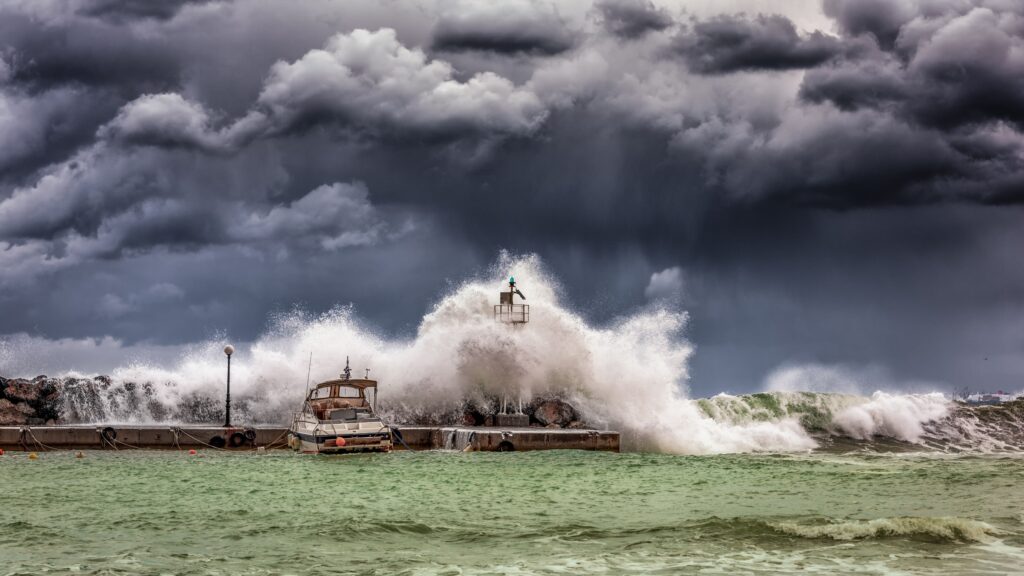
El Niño impacts high waves, and storms can result in erosion of the beach.
Mountains Tourist Destinations
El Niño impacts Traveling to mountainous places may also be influenced by the climatic state of the destination.
Low Snowfall
There may be ski resorts with low amounts of snowfall, hence shorter winter sports seasons and reduced profit margins.
Climate Changes
Sudden temperature changes may result in dangerous environments for hikers, mountaineers, and other tourists.
Tropical Destinations
Almost all tropical destinations shall experience climatic changes during the El Niño period.
Heavy Rainfall
Popular tropical tourist destinations will experience heavy rains and long rainy seasons.
High Humidity
This implies that there will be higher humidity levels in such destinations.
Higher Costs Associated with Travel
Disruptions due to El Niño effects usually lead to financial problems for both travelers and tourism operators.
Changes to Flight Schedules
An airline operator may decide to reorganize its schedules due to weather conditions. El Niño impacts results in increased costs of operation that might result in higher fares for tickets.
Demand Surges in Other Destinations
Certain destinations may suddenly lose their appeal due to the unfavorable weather. El Niño impacts people, choosing different places for traveling, thus increasing demand for other destinations.
Higher Claims for Travel Insurance
El Niño impacts natural disasters, usually increasing the number of claims for travel insurance because of the associated cancellations, delays, and loss of reservations.
Maintenance of Infrastructure
El Niño impacts the effects of the weather, which might cause damage to roads, bridges, airports, and infrastructure in general. El Niño impacts the cost of repairs, which is usually high.
Effects on Adventure Tourism
Adventure tourism largely requires favorable weather and safe environments.
Trekking
Mountain tracks may be flooded and become dangerous to walk on as a result of heavy rains and landslide activities. El Niño impacts the popular hiking trails, which may be closed due to safety concerns.
Hiking
Unpredictable weather changes will make hiking a bit more difficult.
Mountain Climbing
El Niño impacts high wind speeds, excessive snowfall in some places, and unstable temperature conditions may create an unsafe climbing environment.
Wildlife Safaris
El Niño impacts changes in the pattern of rainfalls and vegetation might affect animal movement and migration paths.
Scuba Diving
El Niño impacts the warm water temperatures, and rough seas might adversely affect scuba diving.
River Rafting
El Niño impacts the heavy rains, which might cause a rapid rise in the levels of river waters.
Problems with Coastal Tourism
The coasts and their ecosystems are one of the regions that suffer most from the El Niño phenomenon. Fluctuations in ocean temperature and weather can cause serious problems to people and places that rely on tourism.
Coastal Erosion
Heavy winds and waves can lead to the gradual destruction of the coast and the beach by eroding it. Besides affecting the landscape of the region, erosion threatens the safety of hotels and other facilities that tourists use.
Rising Tides
Some coastal regions can experience rising tides, which increases the risk of flooding.
Strong Waves
Bad weather in the ocean creates dangerous situations that can make it impossible for tourists to use the water safely. The waves make swimming and other activities risky, which forces tourists to restrict themselves to certain activities.
Flooding
Due to heavy rains and strong waves, many regions can face serious floods. It makes the roads and the region inaccessible for some time.
Why Travelers Should Be Interested in El Niño
Learning about how El Niño influences travel helps tourists to plan their trips. By getting information about the weather forecast in advance and buying travel insurance, travelers minimize risks.
How El Niño Impacts the Tourism Sector
The tourism sector depends greatly on weather stability and predictability. Whether tourists want to spend time on the beach or engage in adventure tourism, whether they opt for cultural tours or attend outdoor events, weather always plays an important part. Due to the fact that El Niño brings changes to the weather pattern all over the world, this phenomenon often has a direct effect on tourism companies and individuals.
Visitor Numbers
Probably one of the most evident impacts of El Niño on tourism is the difference in visitor numbers that occurs due to changed weather conditions.
More Tourists
Some regions may receive more visitors due to El Niño. If some places have better weather conditions because of El Niño, they will be able to attract more tourists than usually. This will bring them extra income through the tourism sector.
Longer Tourism Season
Thanks to changed weather conditions, the tourism season in certain places may become longer.
Damage to Tourism Infrastructure
Extreme weather that is brought about by El Niño can cause great damage to tourism infrastructure that impacts both tourists and the economy of the destination area.
Roads
Torrential rain and landslides can result in damage to roads and highways, making popular tourist destinations difficult to access and cause problems in transportation.
Airports
There is a possibility of airports being affected by floods, storms, and high winds. Disruptions caused by weather conditions may result in delayed flights and cancellations.
Hotels
Hotels in the areas that are susceptible to storms, floods, or erosion along the coastline can be affected by storms. There could be temporary closings as repairs are made.
Attractions
Other than that, attractions may also experience disruption caused by extreme weather conditions.
Shifts in Seasonal Tourism
The El Niño phenomenon usually results in changes in normal tourist routes because travelers go to places where the weather is better than before.
Change in Preferred Destinations
Tourists may select different destinations based on whether the weather in the destinations they like is favorable. For instance, people who love beaches may not be interested in visiting places that experience storms but instead visit other destinations.
Changes in Global Tourism Trends
Such weather changes have the potential of affecting global tourism trends. Destinations may become popular, while others become unpopular based on their weather at the time of El Niño.
Adaptation of Tourism Enterprises
In order to keep their competitive advantage, tourism enterprises usually change their approach when El Niño takes place.
Updating Tour Itineraries
There are various ways in which tour agencies adjust their offers to accommodate changes in weather conditions.
Emergency Management
Tourism businesses may take up emergency management measures such as installing weather monitoring equipment and staff training programs.
Flexible Booking Services
Tourism firms offer their clients flexibility in case of changes in weather.
El Niño and Food Production
The food production industry is one of the sectors that depend greatly on climatic conditions. The farmers worldwide depend on rain, temperature, and climatic patterns to ensure their production is done under favorable circumstances. Any changes brought by El Niño in such circumstances will greatly affect food production.
Weather Dependence in Agriculture
In agriculture, climatic conditions play a crucial role in production. Rain is very necessary in ensuring that the plants have enough water to grow. Temperature patterns determine the growth of the plant, and growing seasons are usually based on climate.
Effect on Agricultural Production
The El Niño phenomenon can bring about changes in the pattern of precipitation and temperatures, as well as changes in the weather events that can affect agricultural production.
Lower Productivity of Crops
Low productivity of crops is one of the most common effects of El Niño on the agricultural industry. A low or excess amount of rainfall can adversely affect the yield of the crop.
Production of Rice
Water level is very important for the production of rice crops. Droughts created because of El Niño may reduce the production of rice crops in several agricultural locations.
Production of Wheat
Climate change and abnormal rainfall patterns have a negative effect on wheat crops, and their yield may be reduced as a consequence.
Production of Corn
Corn production requires consistent rainfall levels at certain stages of development of corn crops. This means that low or excess rainfall may reduce the productivity of corn crops.
Production of Soybean
Like corn crops, soybean crops require climate and weather conditions.
Soil Damage
Weather events caused by El Niño may damage the soil and decrease its agricultural productivity.
Soil Erosion
Strong rainfall and floods may lead to soil erosion, meaning that the topsoil, which is rich in nutrients needed for plants’ development, will be washed away. Soil erosion lowers soil fertility, making future crops’ production harder.
Nutrients Removal
Due to strong rainfall and floods, nutrients may be removed from the soil, thus increasing the costs of fertilizers.
Productivity Decrease
If the quality of soil decreases, then its productivity decreases as well.
Problems Caused by Irrigation
The issue of water conservation becomes critical during an El Niño phenomenon when the area is experiencing drought.
Scarcity of Water
Less precipitation may result in reduced amounts of water in the reservoirs, making irrigation water scarce. The farmers may not be able to irrigate their crops properly.
Additional Expenses for Farmers
Where natural rains are lacking, farmers use irrigation systems, which may contribute to higher expenses related to the irrigation process and increased water needs.
Lower Productivity
As a result of low productivity of the crops due to lack of irrigation, farmers experience poor harvests and less quality products.
Effects on Food Supply Chain
Apart from the influence of El Niño on farm produce and crops, there can be a lot of effects of weather disruptions on the entire food supply chain.
Transportation System
Floods, storms, and destruction of the infrastructure will affect the transport routes used for the transportation of the food products. This will result in delays in delivery by road, rail, and air.
Shipping Routes
Weather extremes will affect the shipping operations. The shipping activities will have delays and inefficiencies due to difficulties in operation.
Food Storage Facilities
Floods and weather extremes will affect food storage facilities and food processing factories. This can cause a loss of food products and a shortage of supplies.
Distribution Network
In case the distribution network and the transportation system become affected, the distribution of foods will be difficult. Consumers and retailers will experience delays in receiving food products.
Problems Related to Food Security
Food security refers to the availability of sufficient food sources that are safe and healthy. There are several problems that emerge due to the appearance of the El Niño phenomena.
Reduced Crop Yield
This problem will affect people who live in that region and also other regions in the world by making less food available for communities.
Increased Cost of Food Sources
Because of reduced yields of crops and disruption in the transportation of the food products, there will be increases in the cost of purchasing the necessary food sources.
Food Shortages
If particular regions depend mostly on agriculture, there will be food shortages that will require government intervention in order to address such problems.
Financial Burden
There will be an increased financial burden felt by both the farmers and the consumers because of reduced income from agriculture and increased costs of food products.
Why Is It Important?
The food security issue is important at the time of the El Niño phenomenon, as many people rely on the agricultural sector for food.
Frequently Asked Questions (FAQs)
How does El Niño influence traveling?
El Niño creates extreme weather conditions, flight delays, flooding, storms, and changes in the destination conditions, making travel planning difficult.
Does El Niño influence tourism?
Yes, it does. El Niño influences tourism because of weather changes, a decreased number of tourists, increased prices for traveling, and disruptions of outdoor activities.
How does El Niño influence food production?
El Niño may create droughts, excessive rains, and changes in temperature, influencing the harvest and, consequently, the agricultural production.
Can El Niño increase food prices?
Yes. A decrease in agricultural production and food supply delivery disruptions are among those factors that make food prices grow.
Which countries are affected by El Niño?
The countries from Asia, South America, Australia, and some parts of Africa are often affected by El Niño because of the change in rainfall and agricultural patterns.
How are El Niño and La Niña different from each other?
El Niño occurs due to warm Pacific waters while La Niña is caused by cool Pacific waters.
What should travelers do before going through El Niño?
Travelers need to check the weather report, purchase travel insurance, know about travel warnings, and have a flexible travel plan.
Can El Niño affect seafood supply?
Yes. It may affect the seafood supply because of the change in migratory habits of fish caused by the change in water temperature.
For how long does El Niño last?
Usually El Niño lasts for about 9 to 12 months.
Disclaimer
The details in this article have been included for informational and educational purposes only. Even though every effort has been put into maintaining accuracy, weather conditions, travel conditions, cost of food, climate changes, and tourism trends may change due to evolving climatic and economic factors over time.
El Niño impacts discussed in this article are based on historical records and scientific research findings. The real situation may differ according to regional and local conditions. It is highly recommended for travelers to check weather forecasts, official travel guidelines from the governments, airline alerts, and relevant authorities before planning any trips.
This article does not provide professional meteorological, financial, agricultural, or travel advice. Readers are advised to use their discretion in making their decision about travel or food production activities. Troodeo will not be held liable for any loss or inconvenience arising out of the information provided in this article.
By reading this article, the reader agrees that climatic conditions and travel conditions may change fast and needs verification of the facts from official sources.
Conclusion
El Niño is much more than just weather; it is a climate phenomenon that can greatly affect travel, tourism, food production, agriculture, and food prices throughout the world. With unpredictable weather becoming a growing trend, the importance of learning about the impacts of El Niño is crucial for both business and private travel and lifestyle planning.
In 2026, El Niño will be a reason for travel complications, different destinations’ weather conditions, food shortages, and an increase in food prices in various areas. It may lead to flight delays, weather-related catastrophes, agricultural issues, food insecurity problems, and many others.
Knowing El Niño weather patterns, paying attention to travel warnings, and understanding how climate affects food production will allow making more appropriate decisions concerning traveling and food choices. Be they traveling plans, tourism trends tracking, food-related interests, or climate change interests, awareness and preparation are always the key.
Continuing learning about El Niño impacts on travel and food production in global climate changes will help travelers and food fans adapt accordingly to the new conditions.