
Introduction
The popularity of the Ragi Nutrition Guide is increasing day by day in India because of the growing interest people have in eating natural and healthy food items. Finger millet, or ragi, is a super-rich food, packed with lots of nutrients like calcium, iron, fiber, and essential vitamins that make it a great choice for our health. In this Ragi Nutrition Guide, we bring all details related to ragi, such as health benefits of ragi and also how you can include it in your daily life diet.
With more and more information available on healthy food and eating habits, this Ragi Nutrition Guide will be extremely helpful to anyone who would like to know more about Ragi, especially for fitness enthusiasts or health professionals, or even if you are looking for a way out of your weight loss problems.
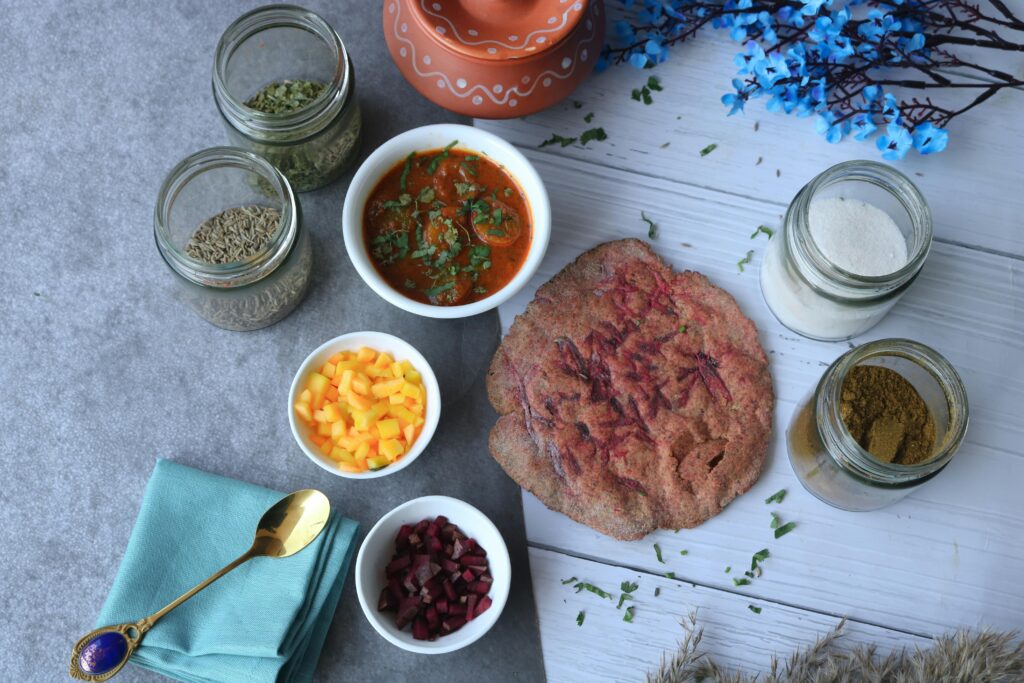
Nutritional Values of Ragi (in 100 grams)
According to the above nutritional facts mentioned in this Ragi Nutrition Guide, learning about the nutritional values of ragi will provide you with an understanding of its benefits as a super food. The following are the different nutrients present in 100 grams of ragi and their benefits for you.
Calories: 336 calories
Being a calorie-rich grain, ragi is a great choice to start your day and provide your body with energy without relying on junk food.
Protein: 7.3 grams
According to the information shared in this Ragi Nutrition Guide, ragi is rich in proteins, which promote muscle building and strength.
Carbohydrates: 72 grams
Ragi is rich in complex carbohydrates, providing slow energy release, which guarantees that you will always maintain your body’s energy levels and no sharp changes will occur in the blood sugar content.
Fiber: 11 grams
The abundance of fiber in these Ragi nutritional facts is one of the most important features of the product that helps to improve your digestive system and provide satiety sensations.
Calcium: 344 mg
This cereal can serve as an excellent source of plant calcium, which is why it is included in this nutritional facts guide.
Iron: 3.9 mg
The amount of iron present in ragi helps to increase hemoglobin levels and avoid anemia. By consuming ragi regularly, as recommended in this Ragi Nutrition Guide, you can enhance blood circulation around the body.
In addition to all of the nutrients discussed above, it is mentioned in this Ragi Nutrition Guide that ragi also has amino acids, antioxidants, and other minerals. It is because of this balanced mix of nutrients that ragi ranks among the most nutritious grains available.
12 Unexpected Health Benefits of Ragi
Excellent Calcium Source for Healthy Bones
In this Raginutrition Guide, one fact that is pointed out is that ragi is an excellent plant source of calcium, and it is extremely useful for promoting bone health. The reason why it is recommended to consume ragi as part of your diet plan is because it provides you with an adequate amount of calcium in its natural and easily digestible form, which helps keep bones healthy and strong. Consumption of ragi regularly will prevent any kind of bone problem such as osteoporosis and weak joints. This Raginutrition Guide is highly beneficial for kids, expectant mothers, and elders since they need more calcium intake in their bodies. Consumption of ragi not only keeps bones healthy but also promotes healthy teeth and muscles.
Help in Weight Loss
One of the most common reasons why people use a Ragi Nutrition Guide is because of weight loss. Ragi is rich in dietary fiber, which makes the digestive process slower and increases the feeling of being full for a long time. Consequently, it helps in minimizing unnecessary eating and overeating. According to this Ragi Nutrition Guide, ragi manages the hormones responsible for hunger, thus making it easier to control the number of consumed calories. Because of low-fat content and high amounts of complex carbs, it supplies the body with energy without adding extra calories. Adding ragi in breakfast foods, such as porridge or dosa, could be helpful in accelerating the metabolic rate.
Regulates Blood Glucose Level
The Ragi Nutrition Guide encourages the consumption of ragi for individuals suffering from diabetes or any irregularity in their blood sugar level. Ragi is known to have a lower glycemic index, which means that the absorption of glucose in the bloodstream will be done gradually without causing any spikes or plunges in blood sugar. In addition to this, due to the higher amount of dietary fiber in the Ragi Nutrition Guide, carbohydrates will be absorbed slowly by the body, making it easy to manage the insulin response. Consumption of ragi regularly can lead to better management of the glucose level in one’s body.

Improves Digestion
Another advantage described by this Ragi Nutrition Guide is that it has a positive effect on digestion. Since ragi is full of dietary fiber, it ensures the proper functioning of the digestive system and helps avoid constipation. It cleanses the intestines, thus promoting their healthy function. This Ragi Nutrition Guide states that it stimulates the development of helpful bacteria in the intestine, thus contributing to the improvement of the digestion process. Eating ragi will help you feel lighter in your stomach. People with poor digestion or with inconsistent eating schedules will greatly benefit from consuming this food product.
Increases Iron Content
The present Ragi Nutrition Guide indicates that ragi is rich in natural iron content, which is important for ensuring adequate levels of blood. Iron is important for the synthesis of hemoglobin in the body, which ensures oxygenation of the body parts. The regular use of ragi will help people avoid iron deficiency and anemia. The current Ragi Nutrition Guide is especially helpful for women, children, and persons who have low energy levels. In addition, ragi helps to increase concentration levels and avoid tiredness. Ragin is recommended for consumption together with food products rich in vitamin C.
Gluten-Free Grain
One more interesting highlight mentioned in the Ragi Nutrition Guide is the gluten-free nature of ragi. Therefore, ragi is an ideal choice for those who are intolerant to gluten. Unlike other grains that contain gluten, ragi will not induce any adverse effects, including digestion troubles. As per the Ragi Nutrition Guide, ragi can be used instead of other grains that contain gluten because it will provide health benefits instead of risks. The Ragi Nutrition Guide highlights that there are a variety of ragi recipes to choose from, which include roti, dosa, and porridge. A gluten-free diet comprising ragi proves to be beneficial for overall gut health.
Promotes Heart Health
Ragi is highly advantageous when it comes to ensuring heart health because of the nutrition it provides. For instance, due to the fiber in ragi, it becomes easier to control and reduce bad cholesterol (LDL) while at the same time promoting good cholesterol (HDL). In addition to fiber, ragi offers antioxidants and important amino acids, which assist in preventing fat accumulation in blood arteries. As a result, there will be no risks associated with clogged blood vessels or other complications related to heart problems. Moreover, consuming ragi on a regular basis promotes the regulation of blood pressure as well as the improvement of blood flow in the body.
Benefits to Skin Health
Ragi is known to contribute positively to one’s skin health since the grains contain many antioxidants, vitamins, and amino acids that nourish one’s skin internally. It is known to contain antioxidants that combat free radicals, thereby reducing instances of premature skin aging and signs such as wrinkles, as well as loss of the skin’s natural glow. The grain contains both methionine and lysine that play a crucial part in repairing tissues and giving your skin that youthful look. It will also ensure that you have glowing and elastic skin with minimal instances of fine lines.
Increases Energy Levels
It is evident that due to the fact that ragi contains complex carbohydrates, ragi can be termed as an ideal food for increasing energy levels since the process of breakdown of carbohydrate requires time and leads to release of glucose into the bloodstream slowly. This is important since there is sustained energy and one will not experience any drops which may make one feel exhausted. Ragis are perfect foods for people undertaking tough exercises such as athletes or for the busy workers. In addition, ragi increases oxygen levels and endurance levels in the body.
Helpful for the Development of Children
Another important point is that ragi is an extremely beneficial product to be included in the daily diet of the child. The matter is that this grain is one of the most nutritional products which provide people with calcium, iron, proteins, and vitamins. All these elements play a vital role in the development of the child’s bone system, teeth, and organism as a whole. Besides, due to the high content of calcium, ragi plays a great role in building bones. Ragi positively influences the development of the nervous system, improves a child’s concentration, and provides him or her with better immunity.
Aids in Detoxification
Detoxification of the body is another advantage that Ragi provides because of its high content of fibers and other plant components. Through the presence of fiber, the body is able to cleanse its digestive tract through bowel movements, which result in the elimination of toxins and waste materials from the body, hence better health of the digestive tract and prevention of complications such as constipation and bloating. Moreover, radishes are known for their content of antioxidants that assist in the removal of harmful agents within the body.
Enhances Immunity System Performance
Thanks to the abundance of essential nutrients, ragi is an excellent cereal that assists in enhancing one’s immunity. Ragi is rich in essential minerals like iron, calcium, vitamins, and antioxidants. Such nutrients are helpful in boosting one’s body performance when dealing with various diseases since they improve immunity performance. Iron guarantees that healthy red blood cells are formed in the body, whereas antioxidants serve as scavengers for harmful free radicals that impact one’s immunity performance. Eating ragi will boost your immunity system to enable you to combat common ailments.
Disclaimer
This guide on ragi nutrition is purely informational in nature and should not be used as medical advice under any circumstances. Although Ragi is rich in health advantages, there can be differences in the impact of Ragi consumption according to varying health needs. It is advisable to always seek the guidance of a professional doctor/nutritionist before incorporating changes in the diet.
Conclusion
To summarize, this Ragi Nutrition Guide proves the fact that ragi is one of the healthiest grains that you should add to your everyday diet. With such positive effects on your health as improved bone health, weight management, diabetes prevention, and many more, adding this grain to your meals will be extremely beneficial. You should definitely follow this Ragi Nutrition Guide and use the information provided here to improve your health with the help of ragi.
To conclude, it should be said that there is one very important point about eating ragi and using it as a source of vitamins for your body. Consistency is essential for achieving healthy results. In order to start benefiting from eating ragi, try following all recommendations from this comprehensive Ragi Nutrition Guide.