Introduction—The Story That Captured the World’s Heart
Early in the year 2026, a small baby macaque monkey named Punch from the Ichikawa City Zoo in Japan found himself unexpectedly thrust into the middle of one of the most popular animal stories on the internet. However, this was not simply another viral video of a cute animal because the Punch Monkey Story was able to cross continents because it struck a very deep and emotional chord in the human psyche, one that led to a global conversation about the power of resilience, belonging, and comfort in times of loneliness.
Videos of Punch holding on to a stuffed orangutan plush toy, which was apparently an IKEA Djungelskog, gained tens of millions of views on TikTok, Instagram, X, YouTube, and news websites, leading to a wave of compassion, viral hashtags, global toy shortages, celebrity reactions, and even corporate involvement.
In this in-depth blog, we will explore the Punch Monkey Story from every possible angle, including the facts, the emotional foundations, the global reach, the scientific implications, the controversies, and how this viral sensation completely took over the internet.
Early in the year 2026, a small baby macaque monkey named Punch from the Ichikawa City Zoo in Japan found himself unexpectedly thrust into the middle of one of the most popular animal stories on the internet. However, this was not simply another viral video of a cute animal because the Punch Monkey Story was able to cross continents because it struck a very deep and emotional chord in the human psyche, one that led to a global conversation about the power of resilience, belonging, and comfort in times of loneliness.
Videos of Punch holding on to a stuffed orangutan plush toy, which was apparently an IKEA Djungelskog, gained tens of millions of views on TikTok, Instagram, X, YouTube, and news websites, leading to a wave of compassion, viral hashtags, global toy shortages, celebrity reactions, and even corporate involvement.
In this in-depth blog, we will explore the Punch Monkey Story from every possible angle, including the facts, the emotional foundations, the global reach, the scientific implications, the controversies, and how this viral sensation completely took over the internet.
The Origin: Who Is Punch the Monkey?
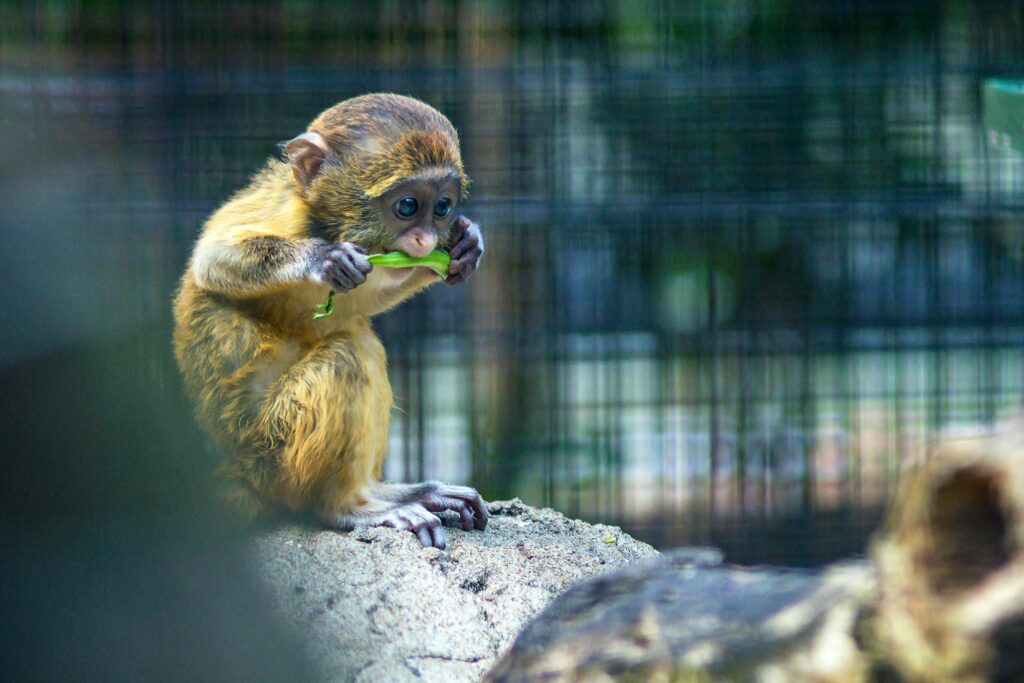
Punch, or Punch-kun, is a baby Japanese macaque (Macaca fuscata) born on July 26, 2025, at the Ichikawa City Zoological and Botanical Gardens in Chiba, Japan.
Being abandoned by his mother shortly after birth is not uncommon in the animal world, particularly if the mother is inexperienced or under stress. According to primatologists, the reasons for this abandonment could be the inexperience of the mother, environmental factors such as heat, or even social complexities within the group.
Without the care of their mothers, baby macaques are at risk. They need the bonding process with their mothers not only for sustenance but also for emotional and physical security. Taking cognizance of this fact, the zoo authorities started rearing Punch by hand and exposing him to the sights, sounds, and smells of the other macaques.
The Plush Companion: How Punch Found “Oran-Mama”
The Search for Comfort: Why Zookeepers Introduced a Plush Toy
At the point when Punch was being separated from his mother, the zookeepers realized that Punch required more than just food and the satisfaction of his physical needs. In the instance of macaque babies, the warmth and physical contact that the mother provides are essential for the emotional and physical development of the baby. Without the mother, macaques are predestined to live a life of stress, anxiety, and loneliness.
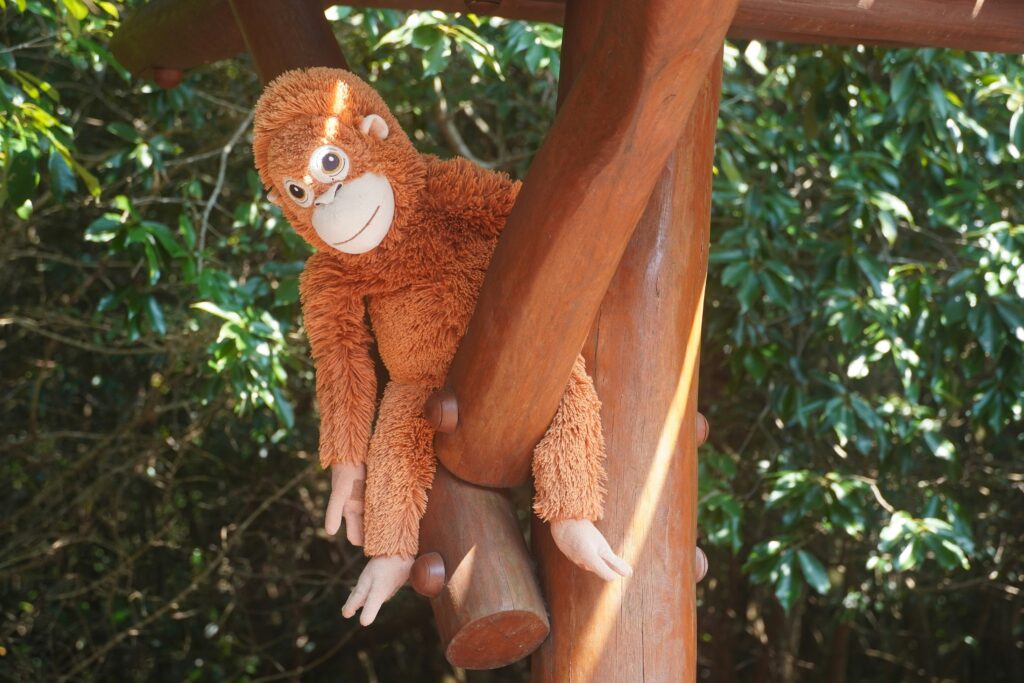
At the point when the zookeepers were looking for a comfort object for Punch, they began with soft materials such as towel rolls and cloth bundles. However, these alternatives lacked the reality and shape that a comfort object should possess in order to act as a substitute for the mother’s presence. Later, they introduced Punch to a plush toy of an orangutan from IKEA. Since the plush toy possessed long limbs, soft fur, and a flexible body, Punch was able to hold, hug, and wrap himself around the plush toy in a similar way that macaque babies would do with their mothers.
Visual Storytelling: The Role of the Plush in Virality
The Punch Monkey Story became a massive hit because of the availability of the visual. Videos were posted featuring Punch with the plush toy everywhere: Punch walking with the plush toy in his hand, Punch sleeping with the plush toy beside him, Punch taking shelter in the plush toy during uncertain times, and Punch even approaching other monkeys with the plush toy in his hand.
The visual was emotional and did not need any translation. It was the representation of vulnerability, innocence, and desire that could be universally translated. The visual of the baby monkey and the plush toy was both heart-wrenching and uplifting simultaneously.
From Zoo to Global Viral Sensation
A normal social media update at the zoo became a global viral sensation on February 5, 2026. The social media update was about Punch’s first separation from his mother and his strong bond with the plush toy companion that would later be named “Oran-Mama.” The viral sensation went around the world in 24 hours.
The Punch Monkey Story’s viral expansion demonstrates how the digital world has enabled emotionally compelling stories to be disseminated at an unprecedented rate.
Evolution of Viral Hashtags
The moment the zoo posted Punch’s story on February 5, 2026, the emotional trigger was immediate. People on social media sites started using the hashtag as a sign of hope, strength, and emotional resilience. As the Punch Monkey Story went viral worldwide, the hashtag overcame the language barrier and started appearing on international posts, reaction videos, and translation forums on the internet.
International Media Coverage and Global Validation
As the Punch Monkey story went viral, it caught the attention of mainstream media. Reuters, People, Business Insider, Newsweek, and The Guardian all covered the story, tracing the journey of the Punch Monkey from going viral to the online frenzy that followed. This recognition by mainstream media gave it a level of authenticity, making it a human-interest story that transcended boundaries. The story made its way into TV commercials and online specials.
Loneliness and Resilience: The Emotional Heart of the Punch Monkey Story
The Punch Monkey Story became more than just a viral video sensation when it captured the hearts of people around the world. This was because the Punch Monkey Story had a very human-like storyline. It was more than just a baby monkey with a toy. It was about loneliness, rejection, adaptation, and finally, acceptance.
Abandonment at Birth—A Tragic Start
The Punch Monkey Story started with abandonment. The baby monkey being abandoned by his mother at birth made the Punch Monkey story very emotionally engaging. Being separated from mothers is always a tragic and painful experience, no matter what species one belongs to.
Feeling like a stranger in the troop, aching with the feeling of not quite fitting in
In the early videos, Punch Monkey struggles to integrate into the troop of macaques. It takes time for Punch Monkey story to be accepted into the troop. This is only natural in the social dynamics of primates. However, the audience interprets this as something that could only happen to a human, and feelings of loneliness and exclusion arise. This is what inspires the Punch Monkey story as a human experience of social struggles.
Holding on to a substitute, a source of comfort when a caregiver is absent
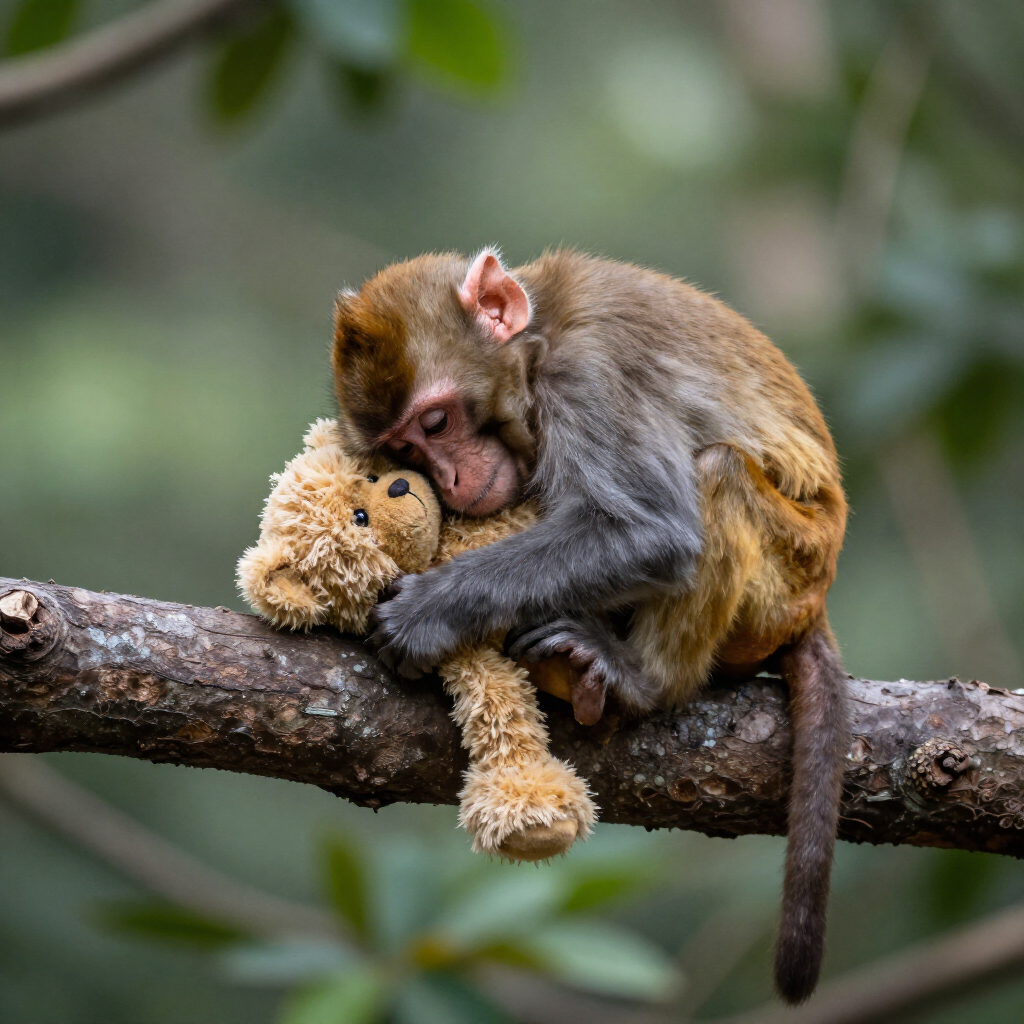
The Punch Monkey Story revolves around the relationship Punch Monkey has with his plush toy, Oran-Mama. The plush toy is a substitute for the feeling of security that a caregiver provides. As the audience watches, Punch Monkey holds on to the plush toy in times of uncertainty, falls asleep with the plush toy, and takes it everywhere—a very human need to have comfort objects to alleviate fears and provide a sense of security.
The science behind the story
Punch’s affection for his plush pal is more than just a sweet touch—it has a basis in actual scientific discoveries about primate development and attachment. Baby monkeys require warmth, contact, and proximity to their mothers. If these needs are not satisfied, they will find it elsewhere to compensate.
In the 1950s, psychologist Harry Harlow conducted a series of well-known experiments on rhesus monkeys. Baby monkeys preferred the soft cloth “mother” to the wire one that dispensed milk.
The plush toy provides constant comfort during a critical phase of development. The reaction to “The Punch Monkey Story” is a reminder that this principle applies to humans as well.
The IKEA Effect – How a Toy Named the Tale
As the Punch Monkey tale went viral around the globe, the small plush toy at the heart of the phenomenon was no longer simply a cute accessory. The DJUNGELSKOG orangutan plush toy from IKEA quietly inserted itself into the story as a symbol of warmth, resilience, and community.
Just days after the punchline went viral around the world, the demand for the DJUNGELSKOG orangutan plush toy skyrocketed. Reports from the U.S., Japan, South Korea, and other European nations indicated that the plush toy was flying off the shelves both online and in physical stores. Fans of the Punch Monkey phenomenon posted pictures of their own “Oran-Mama” friends on social media, adding to the emotional resonance of the story and the viral storm.
As the supply of the plush toy dwindled, the secondhand market began to heat up. Used listings proliferated, with some sellers charging well above retail as the story continued to ride the wave. It was a definite indicator of a consumer trend: when a known item becomes associated with an incredibly powerful emotional story, its price can skyrocket.
Cultural and Psychological Appeal
The Punch Monkey Story didn’t go viral by chance. It appealed to a set of familiar psychological and cultural patterns that always create viral buzz. There are a few interwoven psychological and storytelling factors that explain why millions of people worldwide felt a personal connection to the Punch Monkey Story.
Universality of Attachment
The story itself is about attachment. Biologically, people worldwide are hardwired to respond to vulnerability, especially when it comes to a child. Punch’s separation from his mother immediately placed the story in a universal psychological language that everyone understands: loss, longing, and the need for comfort.
Visual Storytelling Power
It wasn’t a text-based story that went viral—it was a visual one. The tiny moments of Punch hugging his plush toy told the entire story without needing a single word. The audience could understand the emotional tone of the story simply by looking at body language. Social media platforms are hungry for emotionally rich, bite-sized content that people want to watch and share again and again. Since the Punch Monkey Story was based on raw, authentic visuals, it fit perfectly into the natural rhythm of social media platforms such as TikTok, Instagram Reels, and YouTube Shorts.
A Story That Will Take Your Breath Away and Take You Along
First of all, this story is yours. Punch Monkey is a nod to a beat that you know—the beat of being left behind, surviving through tough times, finding refuge in a foreign place, and working hard to earn the respect of the world in the end. It’s a story that you may have already seen in other tales and movies—the emphasis isn’t on a point but on the journey that the characters go through. Every turn is like turning a page, opening a new chapter, and drawing you in to come along.
A Light in the Storm
The stuffed animal represents safety, purity, and a peaceful soul in a world that can turn upside down in an instant. In a world where tech advancements are happening at a breakneck pace and news cycles are filled with things that will give you the fear, the Punch Monkey story is a light in the darkness. The notion of a child having a place to go in a world where people are grasping for something concrete to hold on to is a deep and true one.
A Story That Will Take Your Breath Away and Take You Along
First of all, this story is yours. Punch Monkey is a nod to a beat that you know—the beat of being left behind, surviving through tough times, finding refuge in a foreign place, and working hard to earn the respect of the world in the end. It’s a story that you may have already seen in other tales and movies—the emphasis isn’t on a point but on the journey that the characters go through. Every turn is like turning a page, opening a new chapter, and drawing you in to come along.
The stuffed animal represents safety, purity, and a peaceful soul in a world that can turn upside down in an instant. In a world where tech advancements are happening at a breakneck pace and news cycles are filled with things that will give you the fear, the Punch Monkey story is a light in the darkness. The notion of a child having a place to go in a world where people are grasping for something concrete to hold on to is a deep and true one.
Reach and Cultural Resonance
The Punch Monkey moment is more than just another viral moment. It has evolved into a worldwide phenomenon of how an interconnected and emotionally intelligent online community can shape real-world events. What began as a status update on a zoo page has evolved into something greater online—translating feelings into real interest in the zoo, its artwork, videos, and even small symbolic trinkets. We didn’t just observe; we participated, contributing our own original artwork, videos, and support systems to enhance the experience. When the mainstream media finally caught wind of it, it took on a whole new level of meaning and reached even more people, addressing themes such as animal rights, the impact of emotional cues on animals in captivity, and the social needs of beings.
Zoo Visits and Tourism Interest
When the story went viral, the zoo where Punch Monkey resides experienced a genuine increase in zoo visits. Tourists came to witness Punch Monkey in person, making a typical vacation an emotionally charged one for many. A viral story can encourage people from the world of screens to the world of actions, particularly if the story pulls at the heartstrings.
Social Media Campaigns and Fan Creativity
The viral campaign led to a wave of user-generated content. Fans created digital artwork, fan-made videos, conceptual designs for merchandise, and supportive hashtag campaigns. The Punch Monkey Story evolved from a story that people passively consumed to one that people actively participated in. The Punch Monkey Story would have faded away sooner without the energy of the online community.
IKEA Makes a Quiet Entrance
IKEA quietly inserted itself into the story with a subtle, non-obtrusive action. By replenishing the DJUNGELSKOG soft toy and donating toys to the zoo, IKEA seamlessly wove itself into the story. It appeared as a human and smart entity, foreshadowing an impending flood of media coverage.
Across Platforms
The Punch Monkey story has flowed effortlessly from bite-sized TikTok and Instagram videos to more conventional news coverage. Each medium brings its own perspective to the story: social media introduces the emotional element, and traditional media introduces the element of truth.
FAQs (frequently asked questions)
Q1: Who is Punch the Monkey?
Punch is a young Japanese macaque who was born in July 2025 at Ichikawa City Zoo in Japan. He became famous after a moment in which he hugged an orangutan plush toy because he was abandoned by his mother.
Q2: Why did Punch go viral?
Short videos of Punch’s cute behavior and his first experiences with socialization went viral on multiple platforms.
Q3: What toy does Punch hug?
Punch hugs an IKEA orangutan plush toy. The plush toy became very popular, and many people decided to donate similar plush toys to the zoo.
Q4: Is Punch being bullied?
According to the zoo, Punch is accepted by the other macaques, although he participates in typical rough-and-tumble play, such as pushing.
Disclaimer
The news article on the Punch Monkey Story has been made available based on the information that has been available on news articles, social media posts, and other online sources at the time of writing this article. Even though we make every effort to provide accurate and well-researched information, viral stories may develop over time, and some information may change. This article is intended to be used for information and educational purposes only and does not claim any ownership of third-party media, images, or videos mentioned in the discussion.
Conclusion—Why the Punch Monkey Story Went Viral Around the World
The Punch Monkey Story went viral around the world not only because of the cute picture or video of an animal, but because it tapped into something profoundly human: the need for comfort, the pain of rejection, and the power of resilience.
The Punch Monkey Story, which began in a small zoo in Japan and went viral through viral hashtags, celebrity responses, mainstream media coverage, and a global shortage of toys, is a testament to the special kind of power that digital storytelling has when it intersects with real emotional experiences.
In a world where the internet is full of ephemeral content, the Punch Monkey Story, about a small macaque monkey with a big message, reminded the world that even the smallest struggles can become a shared story of hope.